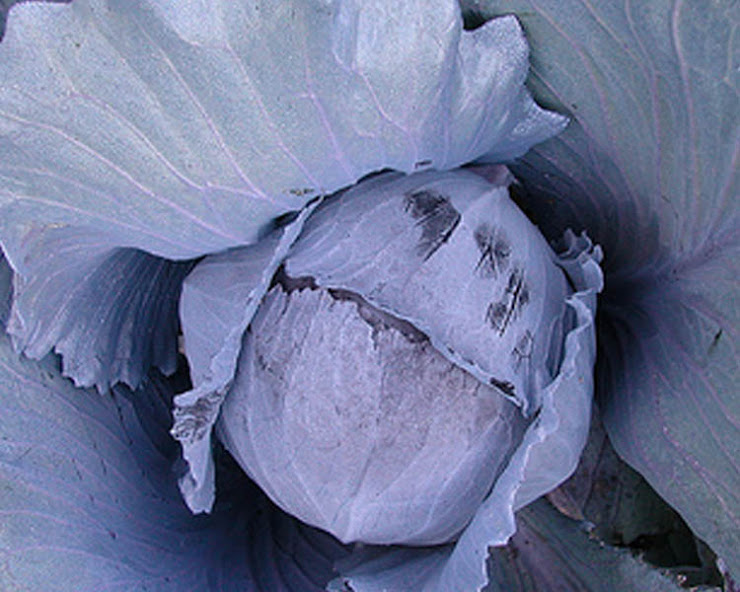
It's November 18th, the mighty big beet is still "living" and I imagine that at some point it will tell me when it's time to come inside for the winter. The smaller, little sister beets, are still in the garden and just when I think the greens are surely dead this time, they pop right up when the sun hits them. Lettuce, believe it or not, it's still hanging in there too. Last but not least is the kale, this leafy green takes a 24 degree temperature and shakes it right off, no babying for this hardy plant.
The Big Beet, or BB is coming inside for a seed saving experiment. I am going to pluck it from it's mulch-y outdoor home, trim off the not yet dead leaves, and pack it in clean dry sand for the winter. I think an ice cream bucket should be just the right size for BB. The plan is that it will stay "alive" enough through the winter to rise again next spring. I will plant it out in the garden and BB should make some seeds. The beet is a member of the Amaranth family and is a biennial, which means that it flowers the second year. So, apparently, if I can keep ol' BB going, I should be able to collect some seeds once the plant flowers. A new experiment for me.
Seed saving is as old as agriculture, where the plants that produce the most desirable characteristics, ie. tastiness, earliness, hardiness or disease resistance, were allowed to flower and set seed for planting the following season. Each plant has a special way it likes to have it's seeds treated to maximize germination, and some like BB take a little more time than others. The easiest seeds to save are the legumes, beans and peas. They are a nice workable size and don't require much fussing, just dry the pods and pack them away (be careful to label them!). Tomato seeds need to ferment in order to germinate which can be a smelly process indeed! Hybrid plants are not suited for seed saving, as the offspring of such combinations will not be true to the parent. The best varieties to save seed from are the wind pollinated varieties many are heirloom varieites that have been passed down for many generations. If you have a variety of vegetable, flower, herb or fruit that you particularly enjoy, I recommend investigating how to save the seeds and share them with friends to maintain our agricultural gene pool.
See you in the backyard!